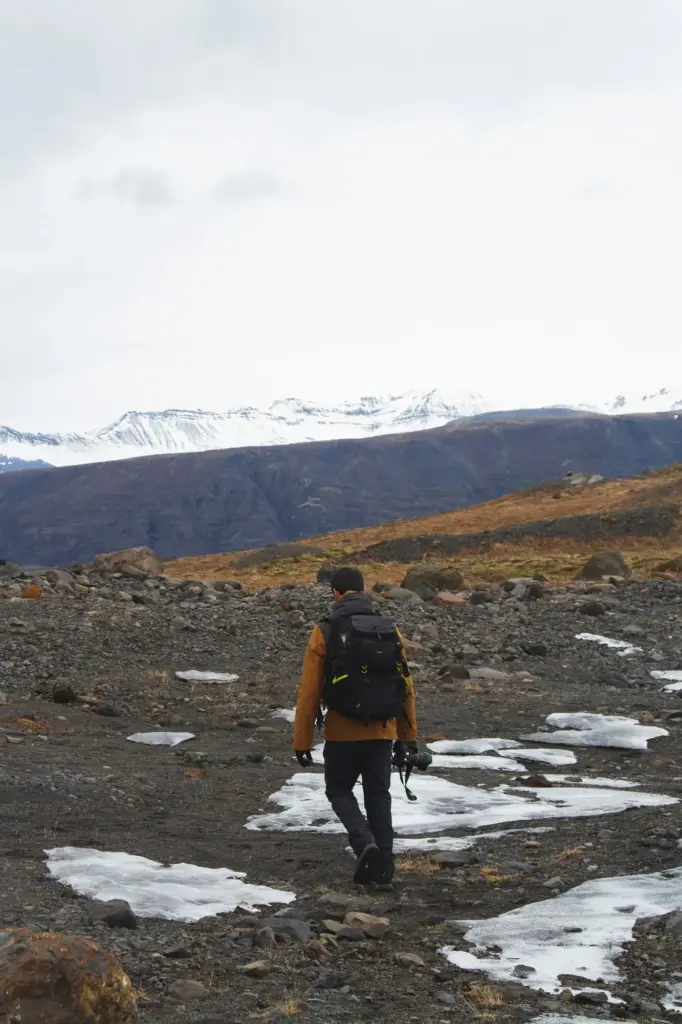
First Light Between Sea and Heather

At daybreak, shore breezes meet upland heather, and the world wakes in whispers. Step onto coast-to-moorland footpaths for dawn wildlife encounters: curlews bubbling over salt flats, skylarks rising above peat, and hares streaking across dew-laced tracks. We walk gently, watch closely, and celebrate those fleeting moments when light, tide, and birdsong align, guiding you toward memorable sightings while protecting the fragile places that make this hour feel impossibly alive.

Reading the Morning: Light, Weather, and Tides

Understanding morning microclimates from surf-edge to moor crest helps you meet wildlife where it moves. Slack tides quiet the shore; katabatic chills slip downslope; low sun paints forgiving sidelight. Arrive before civil twilight, settle into stillness, and let distant calls, soft silhouettes, and slight ripples suggest where to linger longest.

Birdsong Rising over Shore and Moor

At sunrise, the coast rings with curlew bubbles and redshank whistles, while the uplands answer with the effortless ribbons of skylark song. By learning voices before silhouettes, you notice more: who is nesting nearby, who is moving through, and when to step wide or simply stand still and listen.

Skylark Ascents Above Heather

Skylarks climb on vibrating wings, pouring music into the cool air until their bodies are specks against pale blue. They nest on the ground among short grasses, so keep dogs leashed during spring and early summer. If song cascades from directly overhead, pause and circle wide; your courtesy preserves fragile family territories.

Curlews and Oystercatchers Along the Shore

The curlew’s bubbling call carries across salt-marsh creases, often just before the long bill probes for ragworms. Oystercatchers patrol tidelines with bright bills flashing like beacons. When alarm notes quicken, you are too close; kneel, look sideways, and back away, trading a nearer photograph for a longer, kinder memory.

Short-eared Owls and Harriers at First Light

Short-eared owls may quarter moor edges in daylight, especially around dawn, moth-soft wings scalloping across heather. In some regions, a ghostly harrier skims low, tipping at vole-scented tussocks. Scan with binoculars at chest height, not eye height, to keep motion subtle, then lift slowly when patterns become unmistakably alive.

Quiet Footfalls, Quick Shadows: Mammals at Daybreak

From tidal creeks to peat hags, mammals transition between night rest and day cover. Otters trace silver vees through slackwater; foxes thread fence lines; red and roe deer browse at the edge of light. Your softness of step, patience, and wind awareness transform chance meetings into respectfully shared mornings.

Paths, Gates, and Ground-Nesting Seasons

Breeding birds rely on camouflage among grasses and heather from roughly March through July. Foot pressure off-path can crush hidden lives. Follow waymarks, close gates, and give fenced enclosures respectful berth. If you notice distraction displays or sudden alarm flight, quietly retreat, choosing another viewpoint that protects secrecy and safety.

Watching Without Disturbing

Adopt the slow half-step and the soft pause. Avoid playback and recorded calls, which can exhaust parents defending territories. Let binoculars, not feet, close distance. A practical rule: if behavior changes because of you, back away. The best sighting is the one where the animal keeps doing exactly what it planned.

Tide, Fog, and Moorland Navigation

Beautiful mornings can turn quickly. Carry an updated map, compass, charged phone, and a headlamp with red mode to preserve night vision. Check tide windows before committing to beaches or estuary crossings. On high moor, fog erases features; pace count between cairns and keep parallel to drystone walls when uncertain.

Fieldcraft and Simple Gear for Unhurried Encounters

You do not need much to see much. Reliable boots, quiet layers, and modest optics open doors. A small notebook holds patterns; a thermos buys patience when wind bites. With practiced fieldcraft—reading edges, standing in shade, and listening harder—you multiply chances while reducing footprints, both literal and ecological.

Optics and Sound

An 8x42 binocular balances brightness and steadiness for low light. Cup your ears or use a simple recorder with windscreen to map soundscapes. Later, spectrogram apps help visualize trills and whistles you noticed only as feelings. Training your ears first makes fleeting silhouettes far easier to interpret at dawn.

Clothing, Footwear, and Quiet Movement

Choose layered wool or fleece beneath a breathable shell; avoid stiff, noisy fabrics that rustle when you breathe. Waterproof boots with forgiving soles muffle gravel crunch. Practice heel-to-toe steps and brief freezes, letting ambient noise cover your approach. Zippers taped, bottle lids quiet, and pockets organized keep mornings graceful.

Notes, Sketches, and Responsible Sharing

Jot times, weather, and behaviors, then add a quick sketch to lock posture, bill shape, and habitat in memory. Share sightings without revealing precise nest locations or sensitive roosts. Use regional platforms or community lists to encourage others while protecting species that thrive only when details remain secret.

Photographing What the Morning Offers

Light, Exposure, and Fast Moments

Use shutter priority near 1/1000 seconds for birds in flight, nudging ISO as light grows. Backlit scenes deserve slight positive compensation to hold feather detail. Stabilize with elbows on knees, not tripods that block trails. Accept a little grain in exchange for life preserved in wingbeat clarity.

Compositions Between Sea and Moor

Lead the eye along footpaths curving from kelp-sparkled coves to purple moor-tops. Place calling birds against soft skies, giving them space to sing into. Balance foreground textures—shells, thrift, heather—with distant silhouettes. Embrace negative space when mist blooms; mood and scale often convey more than any tight, clinical crop.

Respectful Images, True Stories

Never bait, flush, or corner wildlife for a frame. Caption honestly with time, conditions, and observed behavior, not assumptions. If an image risks revealing sensitive sites, share selectively or blur landmarks. Invite readers to submit respectful photographs, building a gallery that celebrates patience, restraint, and the generosity of wild mornings.

Share the Path: Community Stories and Next Walks

Your observations matter. Post a brief note about what you heard before you saw it, the precise color of dawn, or the quiet lesson learned by waiting. Subscribe for seasonal guides, tide reminders, and route ideas, then return to comment, compare field notes, and plan gentle, mindful mornings together.

01

Tell Us Your First-Light Moment

What stopped you in your tracks today—a curlew’s call tunneling through mist, a hare’s sudden sprint, or the hush of slack tide? Share your short story and a single photograph. Your account may help another walker notice what might otherwise slip past between heartbeats.

02

Join the Dawn List

Add your email to receive concise pre-dawn prompts: tide windows, civil twilight times, and a species to listen for between shore and moor. We send only what helps you greet the day with purpose, patience, and a renewed sense of care for living places.

03

Map a Gentle Circuit

Sketch a favorite loop linking beach, cliff path, and heather ridge, then include resting nooks where listening comes easy. Post your circuit with accessibility notes and alternatives for windy days. Together we create options that welcome beginners while honoring wildlife needs at first light.

Palozavosano
Privacy Overview

This website uses cookies so that we can provide you with the best user experience possible. Cookie information is stored in your browser and performs functions such as recognising you when you return to our website and helping our team to understand which sections of the website you find most interesting and useful.